
How Seattle Property Managers Can Improve Waste Collection Efficiency
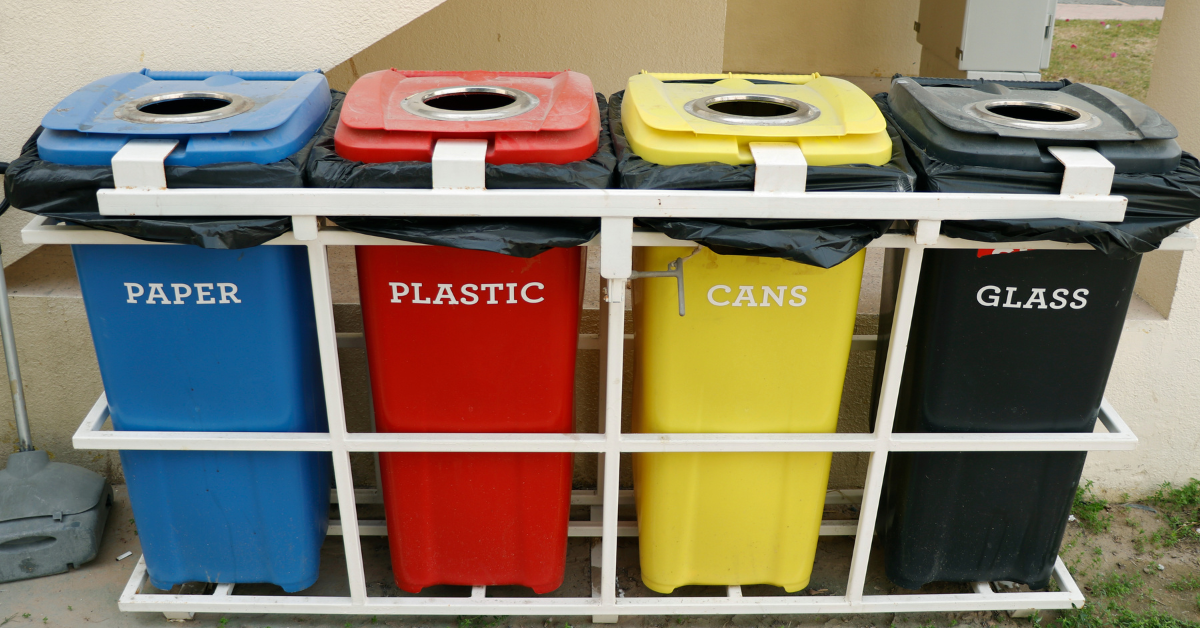
Managing properties in dense Pacific Northwest areas involves navigating strict city requirements for operational logistics, environmental goals, and safety. Local ordinances now force multi-unit residential and commercial buildings to keep pace with modern practices regarding refuse, recyclables, and organic waste streams. For any building teams or property owners who seek true efficiency, standard, hands-on trash collection must be re-imagined into an integrated Waste Management Systems Seattle approach.
By integrating a computer simulation model with custom-engineered mechanics, local housing complexes can manage a faster internal sorting process, eliminate a good deal of transportation cost, and ultimately protect their structure for years of future use.
Updates to Urban Infill Architecture
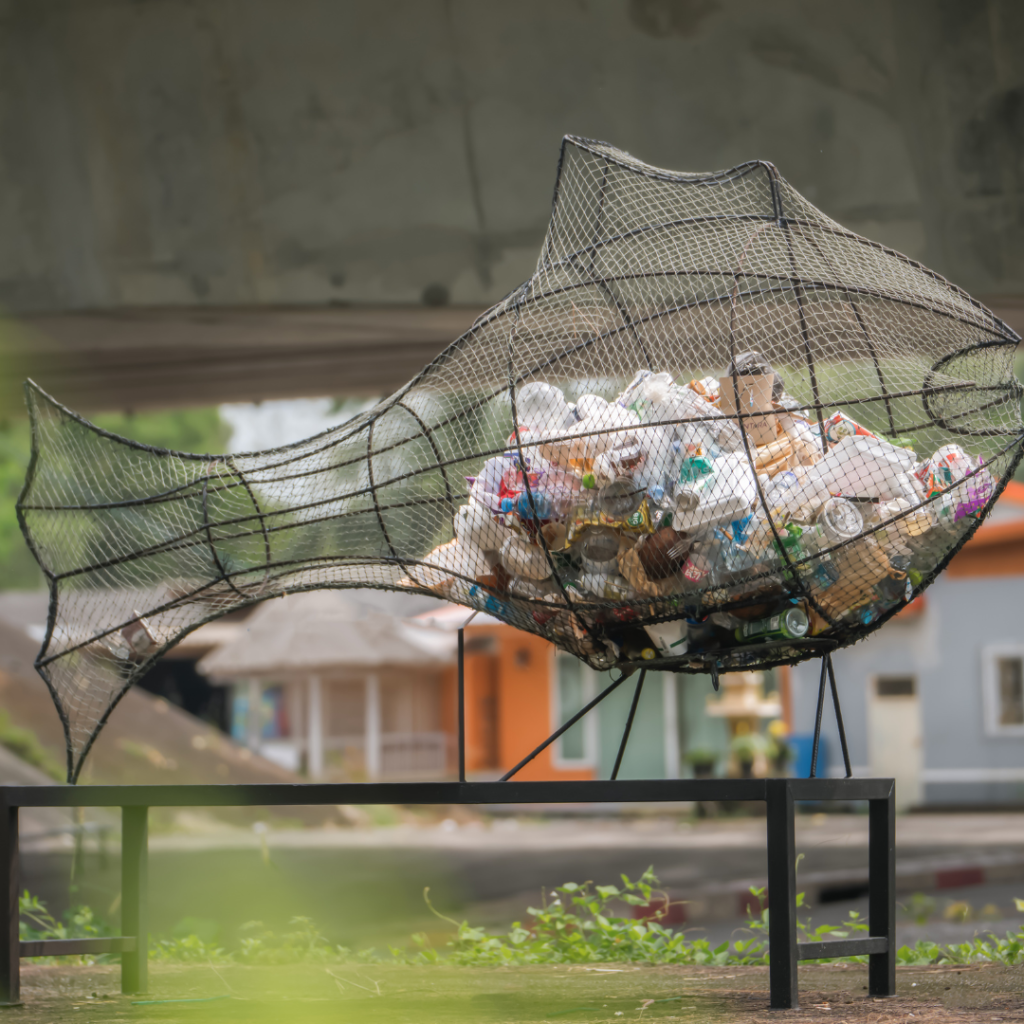
High-density growth within the city is characterized by mid-rise and high-rise apartment and condominium developments planned for narrow city plots. In these buildings, manual trash collection methods like hauling waste on each floor individually or storing garbage in unregulated floor-based chambers are incredibly inefficient and, of course, odorous. Upgrading to a custom Trash Chute Installation Seattle provides a gravity-fed, gravity-driven shaft system that moves refuse efficiently from every tenant floor all the way down to the central collection area.
Modern buildings and developments must meet today’s environmental and organic waste diversion goals, and this requires waste streams that go beyond general garbage. Multi-channel chutes, a common upgrade for new buildings, make waste separation easy with specific chutes for recyclables, organic compost, or general refuse, fed directly from the intake doors on every floor.
When strict building constraints restrict additional internal shafts, a custom Bi-Sorter or Tri-Sorter attachment modifies a single shaft, and automated electric sorting gates direct the waste stream to the appropriate bins from within the shaft’s main trunk; all a resident needs to do is select their waste type at the intake door.
Structuring for efficiency with data-driven engineering

Installing a new vertical gravity shaft system in new construction or retrofitting into a brick structure requires precise engineering and physics calculations; poorly planned and engineered shafts often suffer from structural failures that result in debris build-up in the chute, severe sound contamination into occupied units, and early metal seam fatigue. Professional structural planners calculate the dynamics with computer-simulated load analysis and advanced modeling technology before construction commences:
- Impact dynamics and placement: The impact of each bag of garbage traveling down many floors is significant, particularly at any horizontal elbows; proper structural calculations and placement account for the necessary metal thickness and angles to withstand impact without damaging the chute, and also distribute the force throughout the surrounding structure.
- Acoustic isolation: Waste dropping and sliding down metal chutes generate immense noise and wall vibration in the units adjacent to the shaft; engineers simulate these vibrations and locate the loudest “hot zones” to reinforce and add sound-dampening insulation for tenant comfort.
- Draft and smoke control: Vertical chutes act as large chimney stacks creating drafts that pull odor and smoke up from the lowest levels, where the main trash collection chambers are; the engineering design should account for integrated airtight pressure-based venting to eliminate air flow, and also have a perfectly sealed door at every level to contain potential fire.
The importance of keeping chutes clean and sanitary
The daily functionality of even the most advanced system depends on a rigorous cleaning regimen. Food waste, kitchen oils, and other matter build up inside metal shafts and create a sticky layer of potentially flammable residue; a scheduled professional cleaning of a building’s trash chute system prevents this fire hazard. Standard pressure washing equipment is insufficient to thoroughly clean all levels of a high-rise chute system and will even cause damage through leaks to internal walls; truly effective deep-cleaning of vertical chutes requires a dedicated, multi-faceted mechanical apparatus.
Building an end-to-end waste management solution
Any upgrade to a high-performance Multifamily Waste Solutions Seattle requires the development of an entire waste stream strategy, from initial design through lifetime support of structural integrity. When building management teams work with experienced professionals on integrated, end-to-end, custom vertical waste chutes systems, the ongoing maintenance and lifecycle service is designed around a comprehensive understanding of the structural requirements and building specifications, helping to reduce repair costs over the long term.
Frequently Asked Questions
1. What are the primary advantages of upgrading to a modern Waste Management Systems Seattle?
The main benefits of modernization are improved building cleanliness, lower maintenance costs, and higher rates of recycling and waste diversion. Advanced chute systems reduce tenant inconvenience, the physical risk to employees, and keep common areas more presentable.
2. How does a professionally engineered Trash Chute Installation Seattle make life easier for property managers?
Professionals design gravity-fed systems that quickly move all of the building’s trash from residential floors down to a central point where the waste can be gathered for pickup. This system saves property management time and manpower over manual, floor-by-floor collection processes.
3. Why are specialized Multifamily Waste Solutions Seattle essential for environmentally conscious building design?
With city regulations mandating high diversion rates for all types of materials, integrated multi-channel systems help buildings achieve their sustainability goals and contribute to a cleaner, greener city; residents no longer struggle to correctly sort waste, and cross-contamination is minimized.
4. What types of mechanical apparatuses are used in professional trash chute cleaning processes?
High-tech cleaning involves automated systems with a specialized multi-purpose cleaning head attached to a motor, which is lowered down the inside of the vertical shaft. It cleans using high-pressure hot-water steam blasts, followed by a bio-disinfecting foam spray and a finishing anti-bacterial fog treatment.
5. How frequently should high-occupancy buildings Schedule Professional Trash Chute Cleaning services?
In densely populated buildings like apartments and dorms, professional cleaning every six months is recommended. High-risk properties such as assisted living complexes and hotels that handle food waste must plan for quarter-annual professional cleaning treatments to keep air clean and prevent potential pest infestations.
6. Is it possible to install an automated Bi-Sorter or Tri-Sorter into an existing waste shaft?
Yes, expert installers can modify existing, standard chutes to incorporate these sorting components into the system, giving multi-family buildings access to multi-stream waste streams from a single chute.
7. What fire safety features are standard to a typical trash chute installation?
All code-compliant systems will be fitted with 90-minute fire-rated intake doors featuring self-closing hinges and positive latches. An automatic fire discharge damper featuring a fusible link to slam shut in the event of extreme temperatures will be provided at the bottom.
8. How do the building’s structural venting systems control odors within a structure and its hallways?
Engineered custom-sized rooftop vents will be provided, which penetrate the exterior surface of the roof. These venting systems draw stale odors out through natural air pressure.
9. Do building inspection teams provide final compliance verifications?
Yes, certified field technicians will inspect systems and provide written validation checklists signed for official purposes of building code compliance and local fire marshals for review.
10. Can all waste materials be composted through an installed composting chute system?
Composting systems are intended for the safe transfer of organic food waste and biodegradable packaging materials. These specialized chute systems are equipped with an automatic flushing mechanism to handle the organic waste and airtight seals.