
Property Manager’s Guide to Trash Chute Cleaning

When you are in charge of maintaining and operating a luxury apartment or high-rise condo building , you have a distinct set of structural issues to overcome. When you’re not trying to manage a host of desirable luxury amenities and tenant satisfaction while dealing with structural maintenance of your property as a whole, the internal structure designed to help manage waste needs professional care. Any operations team needs a system for maintaining a functioning Apartment Waste System with stringent, professional care.
Any time a tenant throws a bag of garbage into the waste drop system, it is inevitable that organic matter, grease, and liquids cling to the interior surfaces of the shaft. A thick, viscous film of grime will coat the inside surfaces of your drop chute. Eventually, it can cause serious health code violations and pose fire hazards, in addition to reducing air quality. Trash Chute Cleaning isn’t an optional amenity; it is a required form of property maintenance that safeguards your investment and ensures that your tenants want to remain in their homes.
Invisible Risks: Why High-Rises Necessitate Professional Chute Cleaning
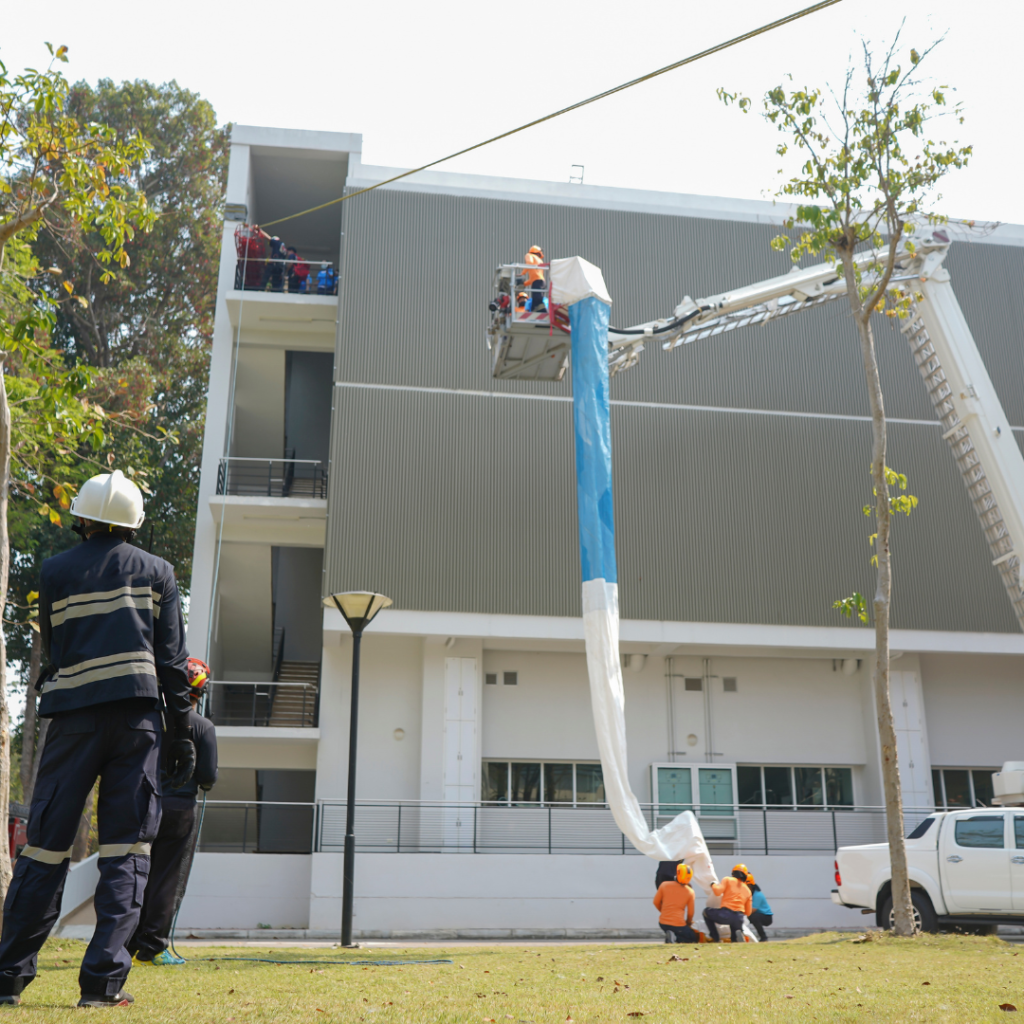
High relative humidity and elevated ambient temperatures make ‘s sub-tropical climate a natural incubator for neglected waste drop systems. If the plastic bag is torn when it begins its fall or if food debris is tossed into the shaft, it will eventually coat the interior walls of the shaft, as well as the drops and landings within your chute system. Over time, this organic material begins to break down and create airborne bacteria that can infect the ventilation system of your building.
A hot, humid environment is an ideal setting for pathogens like E. Coli, Salmonellosis, and the toxic Aspergillus mold spores to develop in the remnants of discarded organic waste. Since vertical shafts act as natural chimneys (this is known as the “stack effect”), each microscopic spore and puff of nasty air inside of a neglected waste shaft will be puffed out into tenant hallways whenever an intake door is opened. Your only reliable option for preventing vector threats at their source is to implement an efficient Chute Odor Control maintenance program.
The Fire and Mechanical Hazard
Beyond the unseen biological risks posed by such systems, unmaintained apartment chutes also create significant direct risks.
- Flammable Hazards: Kitchen greases and residues of petroleum-based waste accumulate along the inside of walls in the chute, creating a coating that becomes extremely flammable. NFPA 82 (Standard on Incinerators and Waste and Linen Handling Systems and Equipment) specifies that the vertical chutes should remain free of any combustible debris to prevent the spread of fire vertically.
- Mechanical Failure: Heavy sludges essentially glue the dynamic safety mechanisms into place. The bottom discharge door in the shaft is equipped with a fusible link, which will melt in a fire and slam the door shut to quarantine the fire to the chute to prevent it from entering the rest of the tower. If sludge and debris seal the discharge door and its counterweights, it will compromise the integrity of this fire barrier protecting the entire property. A well-engineered trash chute system with a fire-rated access door and properly maintained discharge mechanism is the first line of defense here.
- Pest Vector Proliferation: Cockroaches (Periplaneta americana), fruit flies, and rodents use the inner trash film as a pathway and a food source to move throughout the units on each floor, causing cross-contamination of entire luxury apartment buildings.
Professional Trash Chute Cleaning Vs. Rinsing
Proper decontamination can only be achieved through professional cleaning procedures. Simple, over-pressured pressure washing performed by building maintenance will simply blast bacteria into the air and flood lower floors; professional remediation takes a methodical approach:
- Pre-Treatment & Degreasing: Enzyme based environmentally friendly degreaser is applied to the internal shaft walls to break apart the molecular bonds of the coagulated grease and proteins while not damaging underlying stainless steel or galvanized steel.
- High-Pressure, Hot-Water Washing: Custom, self-centering, spinning cleaning heads are inserted through the system using water temperatures exceeding 180F (82C) and under extreme pressure to hydraulically shear away the softened biofilm and kill bacteria.
- Intake and Discharge Detailing: Each intake door, latch, gasket, and bottom hopper assembly is detailed by hand, checked for mechanical seal integrity, and treated with an anti-microbial blocking agent.
Property managers interested in preserving their building structures and maintaining superior living environments partner with certified professional cleaning companies such as Boots & Trash Chutes to comply with all health code requirements and receive reliable ongoing service.
Property managers interested in preserving their building structures and maintaining superior living environments partner with certified professional cleaning companies such as Boots & Trash Chutes to comply with all health code requirements and receive reliable ongoing service.
Frequently Asked Questions (FAQs)
1. Why is regular trash chute cleaning necessary for high-rise buildings?
Regular cleaning of the chute prevents hazardous build-up of bacteria, mold, and combustible greases inside the vertical waste shaft. These organic residues putrefy rapidly in the humid climate of , corroding the structures, producing awful odors, and degrading indoor air quality.
2. How often should apartment waste systems be deep-cleaned professionally?
In order to maintain ideal sanitation and prevent insect or rodent infestation, high-traffic structures should receive professional cleaning at least two times per year. The structure’s density or its complex layout might require even more frequent quarterly cleaning.
3. What are the primary indications that a building requires immediate chute odor control ?
The strongest indicator is when an unpleasant, sour odor wafts into hallways upon apartment resident door openings. Other telltale clues include evidence of cockroaches or fruit flies near hoppers, sticky residues surrounding the door frames, or intake doors that do not seal tightly.
4. How do uncleaned trash chutes influence air quality through the “stack effect”?
Stack effect refers to the tendency of air to flow upwards through vertical passages. Any mold and bacteria clinging to the interior of a dirty waste chute will continue to propagate, drawing foul air into the occupied rooms of each upper-floor apartment as warmer air is forced upwards.
5. Is it safe for apartment building maintenance workers to clean trash chutes ?
No. Standard maintenance crews are not equipped with high-pressure hot-water extraction equipment, self-centering, rotating cleaning nozzles, and the chemical agents required to clean vertical chutes while preventing flooding of the structure or the dispersal of dangerous airborne bio-aerosols.
6. What fire safety codes dictate trash chute cleaning apartment waste systems?
According to NFPA 82, waste disposal chutes need to remain free of any combustible materials, defects, and obstructions; furthermore, they require the use of automatic fire-shutting bottom-mounted door assemblies with functioning fusible links that are clear of debris to ensure automatic activation in a fire.
7. What types of cleaning agents can be effectively used to ensure chute odor control ?
Professional technicians use specifically designed industrial enzymes and natural cleaning solutions that can dissolve grease and kill odor-causing organisms at the molecular level without merely masking the smell with fragrances.
8. Does a dirty chute lead to higher pest control costs for multi-family dwellings?
Yes. A neglected chute acts as a secure, ongoing food source, internal access point, and breeding ground for German cockroaches, rodents, and flies. As long as the structural core is not clean, outside pest extermination treatments in individual apartments will never be effective.
9. What is the duration of a standard trash chute cleaning appointment?
The full professional cleaning of an average vertical trash chute of 10-15 stories generally takes between three and five hours to complete. During this timeframe, the doors of every apartment on each floor of the structure will be electrically or manually locked.
10. Can structural damage result from uncleaned apartment waste systems ?
Yes. The humidity and the acidic compounds found within food waste can pit and corrode galvanized steel, creating holes that allow liquids to drain through the chutes into interstitial wall spaces and cause deterioration to the building’s structural frame. If your chute infrastructure has reached this point, it’s worth consulting a professional installation team about replacement options rather than continuing to patch an aging system.
11. How do commercial chute cleaning firms avoid flooding buildings with wastewater?
Dedicated firms utilize custom hopper collection systems or commercial-grade vacuum recovery units to safely channel the highly concentrated chemical runoff from the bottom of the chute to municipal sewers.
12. What are the financial advantages for property managers of proactively implementing chute odor control ?
Preventive cleaning increases the service life of mechanical parts like the expensive building frame structure, doors, and dampeners, decreases individual pest control requests within apartments, minimizes dust collection and air duct cleaning costs, and ensures resident satisfaction, thus preserving and increasing the overall value of the building.