
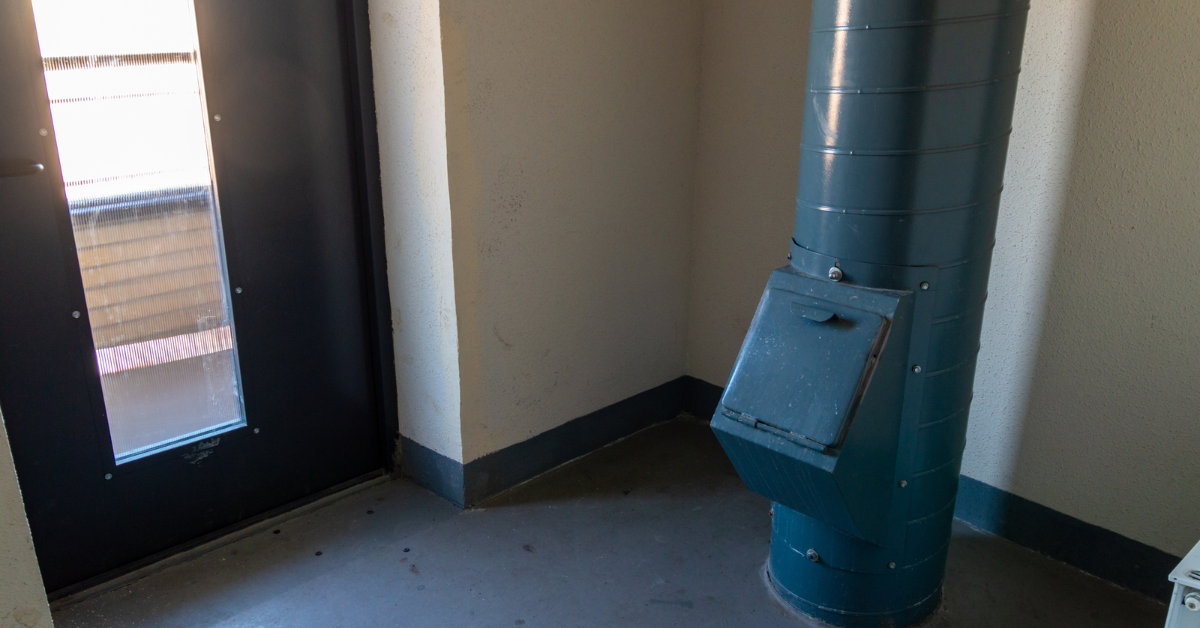
Property operations in the Valley of the Sun must consider extreme environmental changes. Where there are common architectural focal points concerning insulation and commercial HVAC, the operational challenge Phoenix property managers must consider is modern waste disposal. With all Maricopa County high-density multi-family properties re-evaluating vertical waste infrastructure and a systemic regional change toward upgrading, there is no more important time than now for a full waste management upgrade.
Why are so many properties in the region upgrading trash chutes, when all local multi-family property owners/managers ask? Desert heat, updated local municipal regulations, fire compliance standards, and modern structural engineering have all come to the conclusion that new waste infrastructure and waste removal systems will be needed for the entire region.
With the support of specialized engineering inspections and property board assistance from platforms like Boots & Trash Chutes for heavy-duty commercial hardware and custom installation services, this article will review why an all-out trash chute replacement in Phoenix has become a crucial, systemic renovation.
The Core Catalyst: The Impact of Extreme Desert Heat
The biggest contributing factor to what makes building waste management Phoenix programs so critical is the hot Arizona climate. Considering that summers can get as high as 110 F, it is essential that every single multi-family unit has properly regulated indoor climates. Unfortunately, vertical trash chutes are essentially uninsulated thermal chimneys.
As food, grease, and liquids fall down the vertical shaft, particles are left behind, which is where the process of breakdown begins. While these residuals in a colder climate can decompose over a long period of time, in the hot climate of Phoenix, unconditioned intake rooms are essentially super-accelerated bio-decomposers.
These lead to two main issues with the structure:
The Stack Effect – Because heat naturally rises, and the garbage is hot on the bottom of the chute and in its disposal bins, there will be a thermal updraft, which pulls odor-producing air from the bins up the vertical shaft and out into common living areas whenever someone throws something down a disposal chute.
Corrosive Fermentation – The heat and decomposition of the organic waste lead to an acidic sludge that will eat through conventional galvanized steel chutes over time. This results in minute perforations within the chute, causing leakage to the outside.
Due to these two structural concerns, properties are moving to more thorough building waste management programs that involve high-pressure cleaning and modern materials for their structure.
Structural Triggers to Replace Trash Chutes in Phoenix
Generally, property managers prefer smaller, simpler repairs to major, system-wide overhauls; however, in many multi-family complexes throughout downtown Phoenix, Scottsdale, and Tempe, this time is now up. Due to the age of most of the buildings in these regions, it has now become structurally responsible and necessary to completely overhaul trash chutes through a total trash chute replacement in Phoenix.
Switching from Galvanized steel to stainless steel-lined
It used to be common for 20th-century buildings in the Valley to have vertical waste drops from galvanized steel. However, after many years of friction from debris, the protective zinc coating on the outside will rub off the galvanized steel chute, exposing it to moisture and liquids within the system.
Code Note: City of Phoenix adopted the 2024 Phoenix Building Construction Code (PBCC), effective August 1, 2025. This code specifies stricter fire ratings for vertical shafts and requires positive closing and latching of fire doors at multi-story residential trash chutes, City of Phoenix, 2025.
Mitigating Building fire risks and liability
A trash chute coated with decades of oil from food will be an extremely serious fire risk. If a fire is ever initiated by a lithium-ion battery or an aerosol canister, there is already fuel to burn in the grease from dropped waste.
General specifications for modern waste chute engineering
| Architectural Feature | Traditional Legacy Systems | Upgraded Modern Systems |
| Primary Material | 16-Gauge Galvanized Steel | 14-Gauge Solid Stainless Steel (Type 304) |
| Joint Construction | Riveted or Spot-Welded Seams | Continuously Welded Expansion Slip Joints |
| Intake Door Latching | Manual Handle Latch (Prone to sticking) | Self-Closing, Positive-Latching ADA Handles |
| Fire Suppression | Open Discharge Ports | Fusible-Link Direct Fire Dampers (165°F Rated) |
| Odor Containment | Passive Top Venting | Integrated Sanitizing Wash-Down Systems |
Professional Trash Chute Cleaning is Essential
While upgrading a structure offers lasting integrity, proper upkeep of your system’s hygiene demands a continuous maintenance schedule. Scheduled high-pressure cleaning provides the first line of defense to prevent a rapid degradation of materials. Technicians use a unique combination of equipment, heated to 180 degrees F, to strip hardened grease from the interior walls at high-pressure levels. This action removes the key food source for roaches, rodents, and others; controls chemical odors, as well as flammable waste build-up.
Sourcing and Engineering Partners are Key to Upgrades
Complete system overhauls need specialized engineering knowledge of existing systems and precise masonry alterations, and familiarity with building codes in the region of construction. Partnership with a specialized company ensures a structurally compliant, efficiently operating new installation. Customized operational portals like Boots & Trash Chutes allow for complete part fabrication, full structural door replacement, structural door retrofitting and installation of fully compliant replacement systems, which consider the challenges that can be faced in an Arizona desert climate.
Frequently Asked Questions
1: Why are trash chute upgrades necessary for older apartment buildings in Phoenix?
Older systems have corroded galvanized metal, worn-out fire doors, and other parts. A newer stainless steel system means improved safety for residents, the elimination of odors, and new code compliance.
2: What are the most common signs of a property that needs a complete trash chute replacement in Phoenix?
Rust holes on interior walls, constantly wet service closets, bent or unsealed input doors, and structural damage from overstuffing.
3: How do updated systems improve the overall management of waste at multi-use properties in Phoenix?
These newer units use smooth, non-porous stainless steel and a well-sealed input door that pushes waste smoothly through the shaft without any resistance.
4: Are buildings of all types in Phoenix required to have code-compliant trash chute systems?
Yes, per the 2024 Phoenix Building Construction Code. Vertical shaft systems are required to have fire ratings, functional self-closing input doors, and a working automatic fire damper at the bottom of the system.
5: What impact does the Arizona desert weather have on commercial trash chutes?
The extreme summer heat will accelerate waste degradation inside the column, creating very strong odors due to natural heat drafts, and will corrode lower-grade metals.
6: How does a fusible link fire damper work, and why is it important for a system?
A fusible link is certified for fire and melts at 165F during a fire event, causing the heavy bottom discharge gate to snap shut, cutting off smoke travel.
7: Can a newer or upgraded trash chute system help cut the costs of a building pest control program?
A system without cracks or open seams where pests can nest and enter makes it very easy for pest management to do its job.
8: Roughly how long does it take for a full structural replacement?
Typically, depending on the total floors, a professional installation takes 2-3 days. Tenant traffic on each floor can be managed floor by floor to minimize the overall impact.
9: What does an integrated system mean for waste management?
An installed, integrated, sanitizing wash-down system cleans the chute and keeps it free from odor-causing elements. The system sprays a sanitation solution at the top of the chute.
10: How are the input doors of the new systems safer for residents than those found in older systems?
The newer doors include a positive latch and operate pneumatically, which closes the door tightly after use.